Wenzhou Zungwan - Packaging Machinery Equipment Manufacturers

- All
- Product Name
- Product Keyword
- Product Model
- Product Summary
- Product Description
- Multi Field Search


Views: 0 Author: Site Editor Publish Time: 2026-02-25 Origin: Site


The Liquid Filling Machine plays a crucial role in modern beverage, pharmaceutical, cosmetic, and chemical industries. Among the many questions buyers and manufacturers ask, one stands out: can you run alcohol through a liquid filling machine?
The short answer is yes, but the complete answer depends on many technical and operational factors. Alcohol is not just another liquid. Its volatility, flammability, viscosity, and regulatory requirements all influence whether a Liquid Filling Machine can handle it safely and efficiently.
In this article, we will explore how alcohol interacts with a Liquid Filling Machine, what types of machines are suitable, what filling methods work best, and what risks and precautions must be considered. This guide is designed to help manufacturers, brand owners, and production managers make informed decisions.
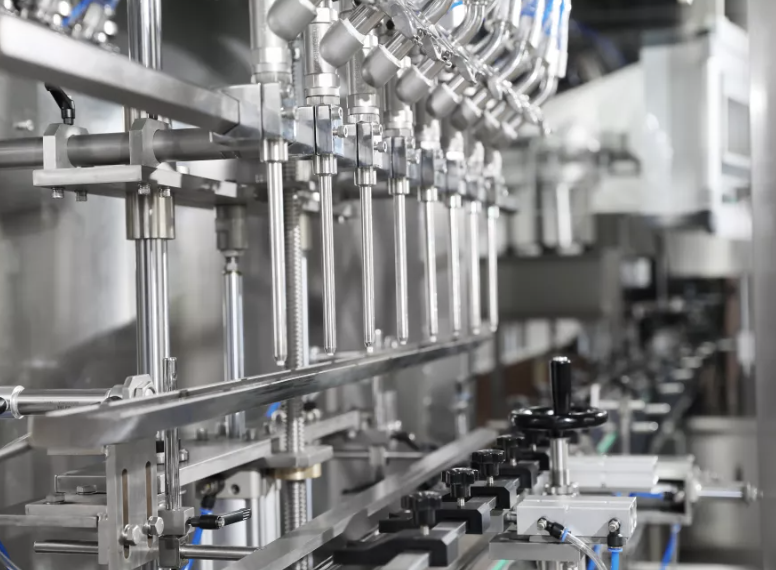
Alcohol behaves differently from water or juice when processed through a Liquid Filling Machine. Ethanol-based liquids have distinct physical and chemical properties that affect filling accuracy and machine longevity.
Low to medium viscosity
High volatility and evaporation rate
Flammable under certain conditions
Can degrade unsuitable seals and gaskets
Prone to foaming depending on concentration
Because of these characteristics, not every Liquid Filling Machine is automatically suitable for alcohol without adjustments.
A Liquid Filling Machine can handle alcohol, but the answer is not simply yes or no. Alcohol is considered a special liquid in filling applications because its physical properties differ from water, juice, or oil. Whether a Liquid Filling Machine can process alcohol effectively depends on machine design, material selection, filling method, and safety configuration.
From a technical perspective, alcohol is a low-viscosity, fast-flowing liquid with a high evaporation rate. This means a standard Liquid Filling Machine designed for non-volatile liquids may experience issues such as foaming, inaccurate fill levels, or vapor-related safety concerns when used for alcohol. However, machines specifically configured for alcohol filling can operate smoothly and reliably.
One key factor is alcohol concentration. Low-proof products like wine or flavored beverages are generally easier for a Liquid Filling Machine to handle. High-proof spirits, on the other hand, require greater control over filling speed and sealing materials due to increased volatility and flammability. A suitable Liquid Filling Machine must be able to maintain stable flow while minimizing splashing and vapor release.
Another important consideration is material compatibility. Alcohol can gradually degrade standard rubber seals, hoses, or plastic components. A Liquid Filling Machine intended for alcohol typically uses stainless steel contact parts and alcohol-resistant seals to ensure long-term durability. Without these materials, even a well-functioning machine may suffer from leaks, contamination, or frequent maintenance issues.
Filling accuracy is also a concern. Alcohol products are often sold in regulated volumes, meaning the Liquid Filling Machine must deliver consistent and precise fills. Gravity, vacuum, piston, or flow meter systems can all be used, but the choice depends on product value, speed requirements, and tolerance limits. For premium spirits, high-precision systems are commonly preferred.
Safety cannot be overlooked. Alcohol vapors are flammable, especially in enclosed production environments. A Liquid Filling Machine used for alcohol should include proper grounding, controlled filling speeds, and adequate ventilation. These features reduce the risk of static discharge and vapor accumulation during operation.
In practical terms, many manufacturers successfully run alcohol through a Liquid Filling Machine every day, provided the machine is selected and configured correctly. When these conditions are met, alcohol filling becomes a stable, repeatable, and efficient process rather than a technical challenge.
Different Liquid Filling Machine designs are used depending on alcohol concentration, container type, and production speed.
Gravity-based systems allow alcohol to flow into containers using natural pressure. This type of Liquid Filling Machine works well for:
Low-viscosity alcohol
Non-carbonated products
Glass bottle applications
Gravity systems are simple and cost-effective but may struggle with foaming at higher speeds.
Vacuum filling uses negative pressure to pull alcohol into bottles. This Liquid Filling Machine type is often used for:
Wine and low-proof alcohol
Consistent fill levels
Glass containers with uniform necks
Vacuum systems help reduce oxygen exposure and improve visual consistency.
A piston-based Liquid Filling Machine is suitable for:
Alcohol-based syrups
Thick or mixed alcohol products
Products requiring precise volume control
This type of Liquid Filling Machine is common when alcohol is combined with flavoring agents or sugars.
Flow meter systems measure the exact amount of alcohol dispensed. This Liquid Filling Machine type is ideal for:
High-value spirits
Premium alcohol brands
Strict volume accuracy requirements
Although more expensive, flow meter machines offer exceptional consistency.
| Filling Method | Accuracy | Foam Control | Speed | Best Use Case |
|---|---|---|---|---|
| Gravity | Medium | Low | Medium | Basic alcohol filling |
| Vacuum | High | Medium | Medium | Wine and spirits |
| Piston | Very High | Medium | Low-Medium | Mixed alcohol liquids |
| Flow Meter | Very High | High | High | Premium alcohol production |
One of the most overlooked aspects of alcohol filling is material selection. Alcohol can corrode or degrade incompatible components over time.
Stainless steel 304 or 316
Food-grade PTFE seals
Alcohol-resistant rubber gaskets
Explosion-proof electrical components
A Liquid Filling Machine designed for alcohol must avoid low-grade plastics or untreated rubber parts.
Alcohol introduces safety risks that must not be ignored.
Alcohol vapors can ignite if exposed to sparks or static electricity. A Liquid Filling Machine used for alcohol should include:
Anti-static grounding
Explosion-proof motors
Adequate ventilation
Controlled filling speed
Operators working with a Liquid Filling Machine must be trained to:
Handle spills immediately
Avoid open flames nearby
Wear protective equipment
Follow proper cleaning procedures
Safety is not optional when alcohol is involved.
Proper cleaning and maintenance are essential after running alcohol through a Liquid Filling Machine. Although alcohol evaporates quickly, residues and vapors can still affect hygiene, filling accuracy, and component lifespan if not handled correctly.
Alcohol is sometimes used as a cleaning agent because of its disinfecting properties, but frequent use may dry out seals and gaskets. For this reason, alcohol-based cleaning should be limited and supported by standard cleaning methods.
Most manufacturers recommend a structured approach to cleaning and maintenance:
CIP cleaning systems to flush internal pipes and valves efficiently without disassembly
Warm water and neutral detergents to remove residue without damaging alcohol-sensitive materials
Scheduled seal inspection to detect early wear caused by alcohol exposure
Complete drying before restart to prevent product dilution and corrosion
Routine maintenance after alcohol use helps maintain stable filling performance, reduces downtime, and extends equipment service life. A properly maintained Liquid Filling Machine ensures consistent output and supports safe, reliable operation across multiple production cycles.
Alcohol filling is regulated in many regions. A Liquid Filling Machine used for alcohol must comply with:
Food safety standards
Labeling accuracy regulations
Tax and volume control laws
Hygiene and sanitation rules
Ignoring compliance can result in costly penalties.
Many issues during alcohol filling come from incorrect assumptions about how alcohol behaves in a Liquid Filling Machine. Avoiding these mistakes helps protect equipment, improve filling accuracy, and ensure safer operation for both machines and operators.
Using non-alcohol-rated seals can lead to leaks and rapid component wear.
Overfilling due to foaming occurs when filling speed is too high or bottle necks are narrow.
Ignoring vapor management increases safety risks and affects operator comfort.
Running alcohol at excessive speeds causes splashing, foam, and inconsistent fill levels.
Skipping grounding protection raises the risk of static discharge in flammable environments.
Before purchasing a Liquid Filling Machine, ask these questions:
What is the alcohol concentration?
Is the product carbonated?
What container type is used?
What filling accuracy is required?
What safety standards apply?
The right answers lead to the right machine.
Alcohol-compatible Liquid Filling Machine systems may cost more upfront due to:
Specialized materials
Safety features
Precision components
However, these investments reduce downtime, maintenance costs, and safety risks over time.
Modern Liquid Filling Machine designs are evolving rapidly.
Emerging trends include:
Smart sensors for foam detection
Automated cleaning systems
IoT monitoring for production data
Energy-efficient motors
Modular systems for multiple liquids
These advancements make alcohol filling safer and more efficient.
For anyone searching whether alcohol can run through a Liquid Filling Machine, the practical answer is yes, but only when the machine is properly designed for alcohol characteristics. Factors such as alcohol concentration, filling method, material compatibility, and safety protection all determine whether the process will be stable, accurate, and compliant.
A well-configured Liquid Filling Machine can handle spirits, wine, alcohol-based liquids, and mixed formulations efficiently, while reducing foaming, evaporation loss, and operational risk. Choosing the wrong setup, however, can lead to inconsistent fill levels, accelerated wear, or safety concerns.
This is why many manufacturers look beyond basic equipment and focus on solutions built with real production conditions in mind. Companies like Zungwan work with alcohol producers to match filling methods, materials, and safety features to actual application needs, helping businesses run alcohol filling lines more smoothly and with greater confidence as production scales.


