Wenzhou Zungwan - Packaging Machinery Equipment Manufacturers

- All
- Product Name
- Product Keyword
- Product Model
- Product Summary
- Product Description
- Multi Field Search


Views: 0 Author: Site Editor Publish Time: 2026-07-21 Origin: Site


Upgrading production lines for heavy body butters, thick night creams, and dense gels marks a crucial growth milestone. You must move beyond standard liquid gravity fillers to maintain product integrity and efficiency. Standard machines simply fail when handling heavy resistance.
Relying on incorrect equipment for dense products creates massive manufacturing headaches. You will constantly battle air entrapment, wildly inconsistent fill weights, and sheared cosmetic emulsions. Frequent pump blockages also ruin production quotas and lead to excessive material waste. Operating the wrong pump mechanism destroys both your product and your daily packaging quotas.
We will explore an objective framework to evaluate your next machinery purchase. You will learn how to analyze product rheology, calculate realistic throughput demands, and guarantee strict sanitary compliance. This targeted approach ensures your upgraded equipment delivers optimal performance. Ultimately, you can scale manufacturing operations rapidly while preserving premium cosmetic quality.
Volumetric piston fillers remain the industry standard for high-viscosity and paste-like cosmetics due to superior accuracy and force.
Integrating heated hoppers and specialized bottom-up filling nozzles is mandatory to prevent aeration and maintain product flow.
Sanitary design (316L stainless steel, tool-less teardown) is non-negotiable for strict GMP cosmetic compliance and minimizing changeover downtime.
Vendor evaluation must include mandatory Factory Acceptance Testing (FAT) using your actual cosmetic formulations.
Before contacting any equipment manufacturer, you must document your exact production baseline. High-viscosity products behave unpredictably under mechanical stress. You need a clear understanding of your fluid dynamics and packaging parameters to secure a reliable viscous cream filling solution. We recommend establishing this baseline using four specific criteria.
You must map your products accurately using centipoise (cps). Standard lotions hover around 10,000 cps. Heavy night creams might reach 50,000 cps. Thick pastes and waxes often exceed 100,000 cps. These measurements dictate the necessary pump force. Standard lotions act differently under pressure compared to thixotropic gels. Thixotropic materials become thinner when you apply shear force. They regain their thickness once resting in the jar. You must supply accurate viscosity ranges to engineers to ensure proper pump sizing.
Evaluate your cosmetic formulation carefully. Complex emulsions often degrade under high shear force. Mechanical pumps squeeze and push liquids. If your pump applies too much friction, it can break the emulsion. This separates the oil and water phases permanently. Creams containing active exfoliating beads face similar risks. Rough pump mechanics can crush these delicate spheres before they reach the jar. Assess shear sensitivity early to rule out aggressive pumping mechanisms.
Define your expected output using containers per minute (CPM). You must separate semi-automatic needs for boutique product lines from fully automated inline systems designed for high-volume runs. A boutique operation might require 15 to 20 CPM. A large-scale cosmetic facility often demands 60 to 120 CPM. Scaling operations requires calculating future volume needs. Buying a machine for today's volume limits your growth tomorrow. Establish a clear CPM target and add a twenty percent buffer for future scalability.
Document your neck sizes and container shapes meticulously. Highly viscous products require specific container architectures. Wide-mouth jars easily accept thick creams. Narrow-neck bottles present serious challenges. When thick product forces its way through a narrow opening, it often causes bridging. Bridging occurs when thick cream gets stuck at the neck, leaving massive air voids below it. You must provide exact container dimensions to guarantee the filling nozzles can penetrate deep enough to prevent these voids.
Map your product viscosity in centipoise.
Identify sensitive emulsions and suspended particulates.
Calculate current and future containers per minute (CPM).
Measure inner neck diameters and total container depths.
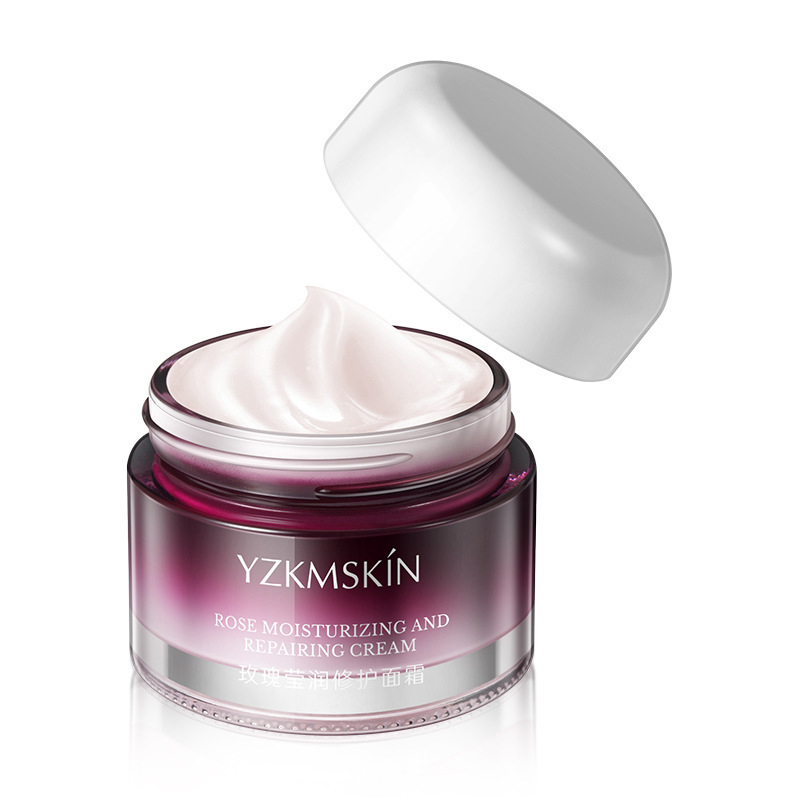
The core engine of any cream filling machine is its pump. Selecting the right drive mechanism determines your daily accuracy and operational uptime. Cosmetic manufacturers primarily choose between volumetric piston systems and positive displacement rotary pumps.
Volumetric piston fillers remain the undisputed standard for thick cosmetics. The machine utilizes a highly machined cylinder and a reciprocating piston. On the backward stroke, the piston pulls a precise volume of thick cream from the hopper. A rotary valve then shifts position. On the forward stroke, the piston forcefully pushes the cream into your container.
They work best for extremely thick, highly viscous creams, and heavy pastes. Because the cylinder volume remains constant, this system offers the highest volume accuracy available. The mechanical force easily overcomes the resistance of heavy products.
However, you must accept specific trade-offs. Piston fillers exhibit slower continuous throughput compared to rotary systems. The reciprocating motion requires pause intervals between strokes. Additionally, piston systems often require a larger physical footprint on your production floor due to the extended pneumatic cylinders.
Positive displacement systems utilize lobe or rotor mechanisms instead of pistons. They feature rotating stainless steel impellers housed inside a pump casing. As the lobes spin, they create a temporary cavity. Product rushes in to fill this space. The spinning lobes then carry the product around the casing and force it out the nozzle.
They perform best for formulations containing distinct particulates. If you manufacture exfoliating scrubs, lobe pumps move these beads gently. They also excel in operations requiring continuous, high-speed filling across widely varied viscosities. The constant rotary motion enables faster output rates.
The primary trade-offs involve potential product damage and engineering complexity. They can introduce unwanted shear if engineers do not size them properly. Rotary pumps also require extremely precise machining tolerances. Minor wear on the lobes can drastically reduce your volume accuracy over time.
Feature Assessment | Volumetric Piston Fillers | Lobe & Rotor Pumps |
|---|---|---|
Mechanism Type | Reciprocating cylinder stroke | Continuous rotary impellers |
Best Suited For | Heavy pastes, dense butters | Particulates, high-speed varied runs |
Accuracy Level | Extremely high (fixed volume) | Moderate to high (relies on timing) |
Shear Impact | Low shear on standard creams | Can introduce shear if improperly sized |
Throughput Speed | Moderate (intermittent motion) | Very fast (continuous motion) |
Standard liquid filling parts fail when processing dense gels. You must upgrade critical pathways within your cosmetic cream filler. Modifying the filling nozzles and hopper systems ensures smooth extrusion and pristine packaging presentation.
Your nozzle selection dictates the final cosmetic appearance of the product in the jar. Thick products behave stubbornly once they exit the machine.
You must specify bottom-up fill nozzles. They prove essential for high-viscosity products. The machine lowers the nozzle to the absolute bottom of the empty container before dispensing begins. As the product extrudes, the nozzle slowly rises. It stays slightly submerged just below the fluid surface. This technique eliminates trapped air voids. It also ensures an even, flat fill level across the top of the cream.
You also need positive shut-off or anti-drip valves. Thick creams tend to stretch and form long strings when the pump stops. If these strings fall onto the jar threads, the capping machine will fail to seal the container properly. Positive shut-off nozzles utilize internal pins to cut the product stream instantly. This prevents product stringing and messy bottlenecks. It remains critical for maintaining your premium packaging aesthetics.
The hopper feeds your pump. If thick product refuses to flow downward, the entire machine starves. Upgrading your hopper design solves gravity-feed issues.
Heated or jacketed hoppers represent a mandatory upgrade for dense waxes and butters. The hopper features double walls filled with circulating hot water or thermal oil. This system maintains product temperature perfectly. Heating temporarily lowers the viscosity during the fill cycle. The product becomes much thinner, allowing for smoother extrusion. Once filled, the cream cools inside the jar and regains its thick texture.
You should also install specialized agitators or stirrers. Sitting in a warm hopper can sometimes cause oil and water phases to separate. Internal scraper-agitators keep complex cosmetic emulsions homogenized. They continuously wipe the heated walls to prevent localized burning. This ensures the mixture remains perfectly balanced before the product reaches the filling cylinder.
Specify diving nozzles to achieve bottom-up filling.
Install positive shut-off valves to eliminate messy stringing.
Utilize water-jacketed hoppers to thin dense butters temporarily.
Integrate slow-speed agitators to prevent emulsion separation.
Cosmetic products apply directly to human skin. Therefore, manufacturing facilities must adhere to strict hygiene standards. Your machinery must support rigorous cleaning protocols. Validating sanitary design prevents bacterial contamination and cross-batch spoiling.
You must verify all product-contact parts utilize premium materials. Standard 304 stainless steel is insufficient for many cosmetics. Ensure the manufacturer constructs the fluid path entirely from 316L stainless steel. The "L" stands for low carbon. This specific alloy contains molybdenum, which drastically increases resistance to chlorides and acidic active ingredients. Furthermore, you must demand FDA-approved, food-grade seals. Utilizing Teflon or Viton O-rings ensures chemicals do not leach into your premium formulations.
Evaluate the machine's teardown process extensively. High-viscosity creams leave thick residue everywhere. Cleaning often takes longer than actual production runs. You must decide between CIP and COP capabilities.
Most cosmetic plants rely on COP for piston systems. Therefore, tool-less assembly and disassembly become vital. Operators should use their bare hands to strip the pump. Machines utilizing sanitary tri-clamp fittings drastically reduce changeover times between different cosmetic batches. Tri-clamps allow instant removal of hoses, valves, and nozzles. If an operator needs a wrench to clean the machine, you will lose hours of valuable production time.
Inspect the engineering blueprints for sanitary flaws. Ensure the internal pump and valve designs lack dead legs. A dead leg is an unmoving section of pipe where product accumulates and stagnates. You must also avoid any sharp internal crevices or exposed threading in the product zone. Bacterial growth can easily occur in these hidden pockets. Crevice-free construction remains a strict regulatory requirement for cosmetic safety and brand protection.
Purchasing packaging equipment represents a major capital expenditure. You cannot rely on glossy brochures to make your final decision. You must apply strict evaluation criteria to separate capable engineering firms from generic resellers.
Never purchase a machine without tangible proof of performance. Thick cosmetics act unpredictably. You must send generous product samples and your exact target containers to the manufacturer. Demand a recorded Factory Acceptance Test (FAT) or a proof-of-concept run. Watch the unedited video carefully. Observe how the machine handles the cream's stickiness. Check the final jars for air bubbles. If a vendor refuses to conduct a custom test run, eliminate them from your shortlist immediately.
In the cosmetic industry, you rarely run one product constantly. You will switch from a 50ml jar of night cream to a 200ml jar of body butter frequently. Request hard data on the average time required to flush, clean, and reset the machine. Ask for video proof of an operator performing a complete size changeover. A well-designed system allows an operator to change container sizes and product viscosities in under thirty minutes.
Machines inevitably wear down. When a sensor fails, your entire line stops. Prioritize vendors utilizing non-proprietary, off-the-shelf components. Inspect the electrical panel. Ensure they use universally recognized PLCs, such as Allen-Bradley or Siemens. Check the pneumatic cylinders. They should feature global brands like SMC or Festo. Utilizing standard parts helps you avoid vendor lock-in. If a standard pneumatic valve breaks, you can purchase a replacement from a local distributor the same day. Proprietary components force you to wait weeks for expensive overseas shipments.
Selecting the correct machinery requires a deeply analytical approach to fluid dynamics and mechanical engineering. You must balance pump mechanics, usually relying on powerful piston fillers, with targeted temperature control via heated hoppers. Above all, you must enforce stringent sanitary designs to protect your brand reputation and consumer health.
Take immediate action to formalize your purchasing strategy. Compile your exact product viscosity data and document your container dimensions. Define your baseline CPM goals clearly. Finally, begin requesting video-documented sample tests from short-listed equipment manufacturers to validate their engineering claims.
A: Yes, but with compromises. Piston fillers can handle both, but efficiency and accuracy may vary at the extremes. Thin liquids might leak past seals designed for heavy pastes. Dedicated positive displacement systems are often better for wide viscosity ranges, provided they feature adjustable motor speeds.
A: By combining bottom-up filling technology (where the nozzle rises with the product level) and maintaining steady hopper pressure, minimizing air entrapment. You must also calibrate the exact retract speed of the nozzle to perfectly match the volumetric extrusion rate of the thick cream.
A: Depending on the level of automation and custom engineering (e.g., heated hoppers, specialized integration), lead times typically range from 8 to 16 weeks. Incorporating explosion-proof electronics or custom CIP integrations will push the timeline toward the longer end of that spectrum.


