Wenzhou Zungwan - Packaging Machinery Equipment Manufacturers

- All
- Product Name
- Product Keyword
- Product Model
- Product Summary
- Product Description
- Multi Field Search


Views: 0 Author: Site Editor Publish Time: 2026-07-23 Origin: Site


Transitioning from manual cosmetic packaging to automated systems routinely exposes hidden production bottlenecks. Cosmetic manufacturers constantly struggle to maintain target throughput when handling high-viscosity formulas like waterproof mascara. Small bottle formats present severe hurdles on the factory floor. Thick pastes resist standard gravity flows. Narrow container necks make clean dosing exceptionally difficult. Furthermore, integrating the precise three-stage sequence of dosing, wiper insertion, and capping demands flawless synchronization to prevent leaks and rejects.
This comprehensive guide explores the critical mechanics behind automated packaging for highly pigmented cosmetics. Procurement teams and production engineers will discover an objective framework here. You will learn exactly how to evaluate, shortlist, and confidently integrate reliable equipment into your facility. By understanding these engineering principles, you can eliminate packaging waste and achieve strict compliance with modern manufacturing standards.
Mascara and lip gloss share similar packaging architectures, allowing a single properly configured monoblock machine to handle both with minimal changeover.
The critical failure points in small bottle cosmetic filling are usually found in the plugging (wiper insertion) stage, requiring precise servo-driven alignment.
Pressurized hoppers and heated dosing systems are mandatory for mascara due to its high viscosity and tendency to trap air bubbles.
When evaluating vendors, prioritize CIP (Clean-In-Place) capabilities and tool-less changeover times over stated maximum throughput speeds.
Standard liquid fillers fail spectacularly when processing thick cosmetics. Mascara and lip gloss possess complex, thixotropic rheology. They behave like solids at rest but flow when agitated. Standard gravity fillers simply cannot push these pastes through narrow bottle necks. Thick formulas cling to nozzles. This causes severe stringing and dripping between cycles. When product drips onto the bottle threads, seals fail. Leaking cosmetics ruin brand reputation instantly.
You cannot treat small bottle cosmetic filling like standard beverage or lotion packaging. The container geometry restricts access. Lip gloss tubes and mascara vials feature highly restrictive openings. These narrow profiles trap air easily. If air remains trapped during filling, the consumer receives a half-empty product. Precision machinery overcomes these physics through specialized extrusion techniques.
Delaying automation carries steep hidden costs. Manual and semi-automated processes generate inconsistent fill weights. Operators inevitably overfill or underfill bottles. Overfilling gives away expensive bulk formulas for free. Underfilling violates strict consumer protection regulations. Both scenarios hurt profit margins directly.
Labor overhead also skyrockets without proper integration. Hand-inserting tiny plastic wipers leads to ergonomic fatigue. Tired operators place wipers crookedly. A crooked wiper guarantees a rejected unit during capping. When caps meet misaligned wipers, the applicator wands snap. Factories face excessive waste simply from poor mechanical alignment. You lose money on the formula, the packaging, and the wasted labor.
Transitioning to an integrated system unlocks massive efficiency gains. Automated systems slash product waste immediately. Servo-driven volumetric dosing guarantees exact fill weights every cycle. Output consistency improves drastically. You secure predictable hourly yields. Furthermore, advanced machines feature enclosed dosing stations. This isolation prepares your facility for strict GMP (Good Manufacturing Practice) compliance readiness. Achieving GMP certification opens doors to larger retail contracts.
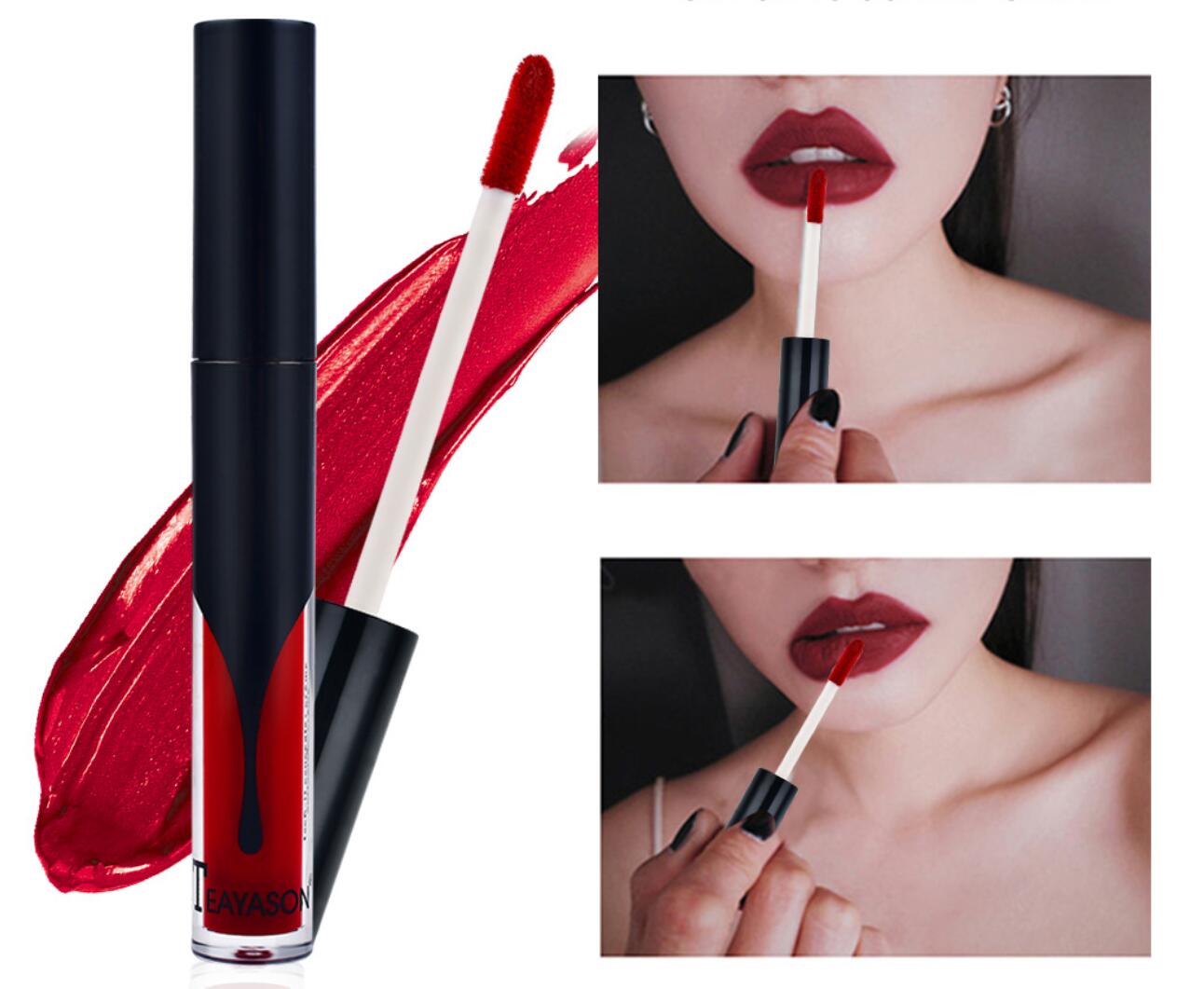
Engineers must choose between piston and gear pumps. Servo-driven piston fillers represent the undisputed industry standard here. Piston systems utilize positive displacement. They physically pull a specific volume into a cylinder and push it out. This method guarantees precision. Gear pumps, conversely, struggle. High-viscosity pastes cause gear slippage. A mascara filling machine relies heavily on piston accuracy to handle dense pigments.
Handling viscosity requires aggressive thermal and pressure management. Hoppers must feature water-jacketed heating. Heat reduces the formula viscosity temporarily. Pressurization forces the thick paste downward into the dosing cylinder. Agitator blades sweep the hopper walls. They keep pigments fully suspended and prevent air pockets. Without pressure and heat, mascara simply forms a tunnel down the center of the hopper.
Nozzle design determines the cleanliness of the operation. Bottom-up filling is absolutely essential. Diving nozzles plunge to the base of the empty bottle. They slowly retract as the liquid level rises. The nozzle tip remains just below the fluid surface. This technique actively eliminates air entrapment. It also cuts off the formula cleanly, preventing messy stringing across the production line.
The plugging stage often dictates overall line efficiency. Plastic wipers act as internal squeegees for the applicator wand. Vibratory bowl feeders manage these tiny components. They vibrate to sort the plugs orientating them correctly. They deliver the wipers down a linear track to the pick-and-place station. Mechanical alignment must be perfect here.
Press-fit accuracy ensures the wiper sits completely flush with the bottle neck. Mechanical tamping heads push the wiper downward. Sensors verify depth. If the machine misaligns the wiper, severe issues cascade downstream. A protruding wiper blocks the cap. The resulting pressure splits the packaging. It also guarantees product leakage during transport. Advanced systems reject bottles missing wipers automatically.
Capping small cosmetics requires intricate wand handling. The applicator wand is long, flexible, and covered in bristles. The capping mechanism must guide this delicate wand straight down. It passes through the newly inserted wiper. If the wand hits the wiper edge, bristles bend and the unit fails.
Torque control secures the final seal safely. Facilities must utilize servo-controlled capping heads. Servo motors allow precise, adjustable torque application via digital interfaces. Small cosmetic bottles use brittle plastics. Over-tightening cracks the neck threads instantly. Under-tightening leaves a microscopic air gap. Air exposure causes mascara to dry out prematurely. Correct torque eliminates both risks.
Many brands start with semi-automatic tabletop systems. These machines use basic pneumatic cylinders for dosing. Operators manually place bottles under the nozzle. They trigger the fill via a foot pedal.
These configurations work best for specific scenarios. Indie brands rely on them. Laboratories use them for formula testing. They handle low-volume specialized batches beautifully. However, severe limitations exist. The facility still relies entirely on manual plugging and capping. Output remains highly dependent on operator speed and stamina. Fatigue causes inconsistencies.
High-volume manufacturers must choose between linear and rotary architectures. A monoblock architecture consolidates filling, plugging, and capping into one rotary star-wheel. Industry experts heavily favor this design. It saves massive amounts of floor space. The star-wheel keeps small, unstable bottles completely captive. They cannot tip over while moving between stations. It seamlessly links the three stages together.
Inline systems use straight conveyors. Bottles travel linearly. Linear approaches make sense occasionally. They accommodate exceptionally high speed requirements. They work well if you have large footprint availability. Yet, pucks are required to keep narrow bottles upright on straight conveyors. Investing in a highly capable mascara filling machine,lip gloss filling machine,small bottle cosmetic filling monoblock setup usually yields better stability.
Feature | Semi-Automatic | Fully Auto (Monoblock) | Fully Auto (Inline) |
|---|---|---|---|
Footprint | Very Small (Benchtop) | Compact (Consolidated) | Large (Extended Conveyor) |
Bottle Stability | Manual handling | Excellent (Star-wheel captive) | Fair (Requires custom pucks) |
Throughput Speed | 10 - 20 CPM | 40 - 60+ CPM | 80 - 120+ CPM |
Ideal Application | Lab testing, Pilot runs | Standard Lip Gloss / Mascara | Mass Market Contract Packaging |
Cosmetic formulations interact aggressively with metals. You must demand 316L stainless steel for all contact parts. Standard 304 steel rusts when exposed to certain pigment salts. Inspect the machine for polished welds. Rough welds harbor bacteria and pigment residue. Ensure the vendor utilizes FDA and GMP-compliant sanitary fittings throughout the fluid path.
Production agility dictates profitability. Assess how quickly line operators can switch formats. Moving from a 5ml lip gloss tube to a 10ml mascara bottle should take minutes. Look for tool-less puck changes. Operators should use quick-release levers, not Allen wrenches. Modern systems save servo recipes via the HMI (Human Machine Interface). One tap adjusts fill volumes, dive depths, and capping torque automatically.
Verify Tool-Less Adjustments: Confirm star-wheels snap into place without hardware.
Review HMI Interface: Ensure recipe saving supports at least 50 unique product profiles.
Check Nozzle Swaps: Quick-connect tri-clamps must secure the dosing nozzles.
Color changeovers frustrate operators constantly. Highly pigmented cosmetics stick stubbornly to metal walls. Evaluate the dismantling process thoroughly. You must inspect the pistons, rotary valves, and hoppers. Quick-release designs allow rapid sanitization. Integration with CIP (Clean-In-Place) systems flushes the lines with hot solvents automatically. A machine that takes four hours to clean destroys daily productivity.
Never trust theoretical maximum throughput speeds. Vendors test machines with water. Water flows perfectly. Thick cosmetics do not. Advise your procurement buyers to mandate a FAT (Factory Acceptance Test). You must supply your specific bulk formula and actual packaging. Only a live test proves the system works. Watch the machine run at target speeds to verify true output stability.
Formulas dictate machine parameters entirely. A machine calibrated for a lightweight lip oil operates differently than one handling waterproof paste. The thin oil requires gravity-fed precision. The waterproof paste demands intense pneumatic pressure. Heat parameters must be adjusted carefully. Too much heat separates formulas. Too little heat causes pump cavitation. You must map these parameters carefully during initial commissioning.
Automation hates variation. Cheap, inconsistent plastic bottles cause endless headaches. If wiper dimensions vary by a fraction of a millimeter, the bowl feeder jams. Inconsistent glass thickness alters the internal volume. This makes bottles look underfilled even when the dose is perfect. Tight packaging tolerances are absolutely required for automation. Always qualify your packaging suppliers before automating your lines.
Buying cheap wipers with plastic flash (burrs) that jam feeder tracks.
Failing to provide exact technical drawings of bottles to the machine vendor.
Ignoring the ambient temperature of the factory, which changes formula viscosity.
Running abrasive glitter formulas without upgrading to ceramic piston seals.
Sophisticated technology requires intelligent operation. Servo-driven machines rely on complex sensor networks. You need trained technicians, not just basic line operators. They must understand how to troubleshoot sensor faults. They need to know how to optimize HMI settings during production runs. Invest heavily in factory-led training during the installation phase. This prevents minor jams from causing hours of downtime.
Selecting the right equipment completely transforms cosmetic manufacturing. The best integrated systems balance exact dosing accuracy with reliable plugging and capping integration. You cannot sacrifice one stage for another. A perfect fill means nothing if the wiper misaligns or the cap cracks. Mastering these engineering fundamentals ensures long-term profitability and packaging consistency.
Your procurement journey requires structured data gathering. First, collect the MSDS (Material Safety Data Sheets) for all your formulas. Next, acquire exact mechanical drawings of your bottles, wipers, and caps. Finally, define your target CPM (Containers Per Minute). Only after securing this data should you issue an RFQ (Request for Quote) to manufacturers. Prepare thoroughly, test rigorously, and automate with confidence.
A: Yes, provided the machine has interchangeable pucks for the bottles. It must also feature adjustable dosing volumes. The primary requirement is a hopper capable of heating and pressurizing thicker formulations. This ensures versatility across various cosmetic viscosities.
A: Depending on the formula viscosity, speeds vary. Monoblock systems typically range from 30 to 60+ containers per minute. Double-head monoblock configurations can achieve even higher outputs, while semi-automatic units hover around 15 containers per minute.
A: Mascara is a highly viscous, thixotropic paste. It does not flow downward via gravity alone. Pressurization forces the thick product into the dosing cylinder. This action ensures the piston fills completely and consistently for every single cycle.
A: Most modern machines feature quick-release tri-clamp fittings. These allow operators to safely remove the hopper, rotary valves, and pistons. They can then perform manual washing or integrate the components directly into an automated CIP (Clean-In-Place) solvent system.


